---
title: High Pressure Aluminium Die Casting (HPDC) UK | BWC Profiles
description: UK high pressure aluminium die casting (HPDC), CNC machining, powder coating & assembly. 150–1650T capacity, rapid tool migration support. Contact Us Today
image: https://www.bwcprofiles.co.uk/hubfs/BWC_Profiles_High%20Pressure_Aluminium_Die_Castings-1.webp
---
# ALUMINIUM DIE CASTING
## High Pressure Aluminium Die Casting (HPDC) in the UK
150–1650T capacity | Cold chamber aluminium HPDC | 5-axis CNC | Powder coating + masking | Assembly & integration | Rapid tool migration
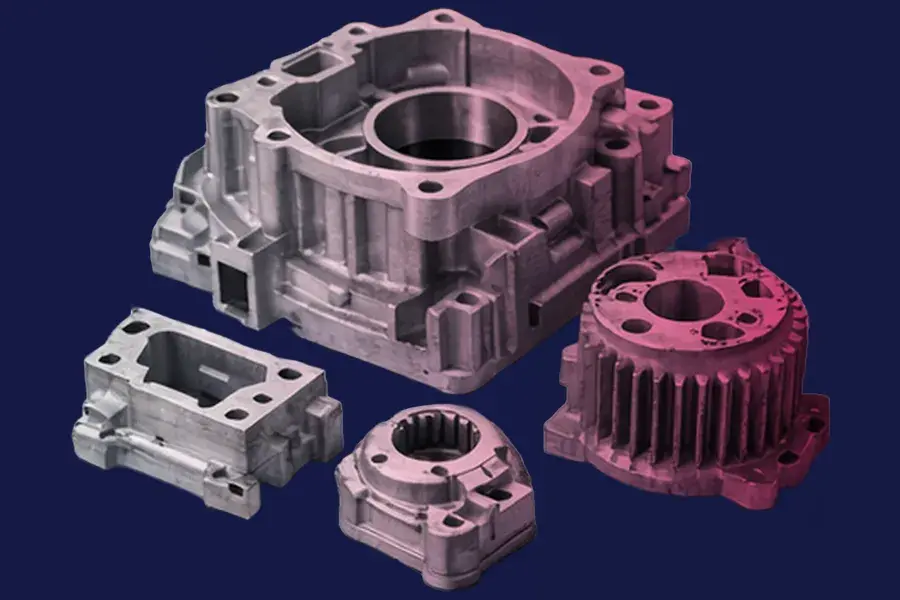
## WHAT IS HIGH PRESSURE DIE CASTING?
High Pressure Die Casting (HPDC) is a manufacturing process where molten metal is forced into a precision steel die under high pressure to create repeatable, high-detail parts with excellent surface finish, well suited to high-volume production runs
### COLD CHAMBER DIE CASTING FOR ALUMINIUM
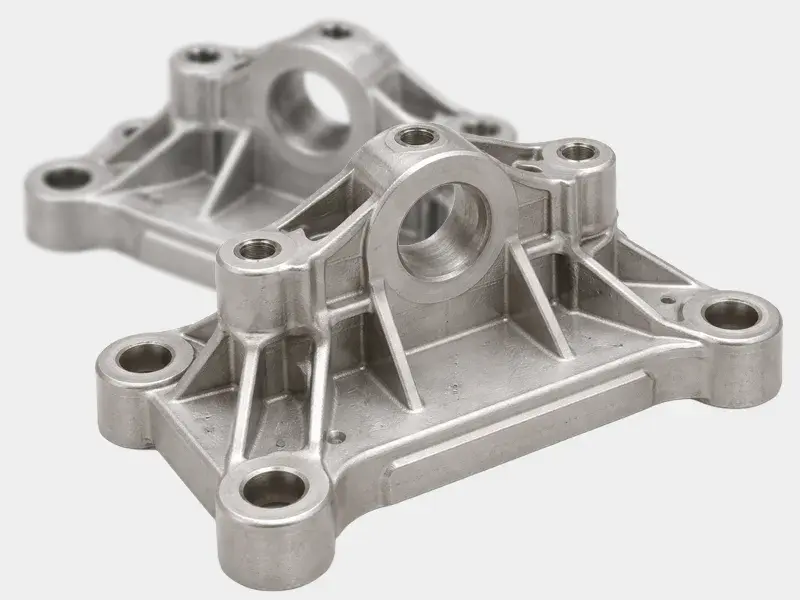
Because aluminium is processed at higher temperatures, cold chamber die casting keeps the molten metal in an external furnace and transfers it into the shot chamber before injection—supporting stable production of aluminium components.
[ ](https://www.bwcprofiles.co.uk/hs/cta/wi/redirect?encryptedPayload=AVxigLLykgaAhy1V%2BlhO0xvAh4jj85sjEaO%2FL3TnwVx5aG%2FLMzZkxYBRZlcgT%2BVkmPIcVgdDPYdhFp1boanMKVcWJr8Gz7zM9StFaz0plilm3MlmhUuHjWaz%2B0FHvMVeIegNzkw9iJtOoLABpVGnYvGENIjiEqAJyS9OiFIrCrgBWwe6twXdNq2n9Aoi%2BeEMVBMpjw%3D%3D&webInteractiveContentId=209930456079&portalId=2543985)
## Benefits of aluminium HPDC
- Excellent dimensional accuracy and complex geometry replication
- Superior surface finish for minimal post processing
- Lightweight yet strong aluminium parts
- Consistent quality and repeatability
- Recyclable and environmentally friendly
- Excellent thermal properties and corrosively resistant
## Aluminium die casting capabilities
We provide cold chamber HPDC for aluminium and aluminium alloys, producing everything from small intricate parts to larger structural components—built for industrial demands and consistent repeatability.
- High pressure die casting for aluminium / aluminium alloys
- Cold chamber technology for heat-resistant materials
- Machine capacity: 150-1650 T
- Various alloy grades available
Bring tolerances under control and reduce lead-time risk with integrated machining. A complete[ powder coating service](https://www.bwcprofiles.co.uk/finishing), supporting small quantities and complex masking requirements.
- Rapid service, eliminating delays and providing full control over tolerances
- 5-axis CNC - ideal for intricate contours and minimal re-fixturing
- Quality control and inspection: integrated into the machining process
- Complete powder coating service, including small quantities and complex masking
We support design for manufacture with practical guidance on wall thickness, draft angles, ribbing and parting lines to optimise cost and performance.
- Expert assistance from concept to production
- Designed for manufacture
- Advice on wall thickness, draft angles, ribbing and parting lines
- Design optimisation for cost and performance
If you are migrating from an incumbent supplier, we provide tooling migration support with fast re-qualification and minimal disruption.
- Seamless tooling migration from existing suppliers
- Minimal disruption and full migration support
- Quick tool re-qualification
- Advanced CNC machining
## Die casting process (concept to completion)

### Technical review
We start by confirming the functional requirements, volumes, critical dimensions and finish expectations—then align them to an optimal high pressure die casting route. HPDC is widely used for high-volume, complex, high-precision components, so we identify the features that matter most to performance and repeatability early.
.png?width=150&height=150&name=Untitled%20(42).png)
### DFM & tooling plan
Before any tooling is cut, we refine the design for manufacturability (DFM) to improve fill, ejection, surface quality and die life. This typically includes reviewing draft angles, wall thickness uniformity, ribs/fillets and parting line strategy—all core factors in stable die casting production.
### Tooling
Tooling is engineered, manufactured and validated to achieve repeatable production quality. A disciplined die-making approach typically runs from DFM through tool manufacture, assembly and trial/validation, so the process is proven before ramp-up.

### Casting
For aluminium components, cold chamber die casting is the standard approach: molten metal is held in an external furnace, ladled into the shot sleeve, and injected into the steel die under high pressure. This method is commonly used for aluminium and other higher-melting-point alloys, producing complex shapes with good accuracy and surface finish.

### Machining & finishing
Where tight tolerances or functional interfaces are required, we machine post-cast features to specification and verify critical dimensions. Surface finishing can then be applied to meet corrosion, cosmetic or brand requirements—often with precision masking to protect threads, bores and mating surfaces from coating build-up.
.png?width=150&height=150&name=Untitled%20(43).png)
### Assembly & delivery
If you want to reduce supplier handoffs, we can supply completed sub-assemblies rather than standalone castings. This final stage focuses on fit, function and logistics—so parts arrive ready for line-side use with the right packaging and documentation.
[ ](https://www.bwcprofiles.co.uk/hs/cta/wi/redirect?encryptedPayload=AVxigLIyrzDng8n%2FlNre6d31KRS5%2B%2BE9Vceh0mugO33Pyb14UEtsTwHPOfJVkLxhP5%2B1Ybtog%2FBHOdVlHWnMa9BlBjpvllN5VWW72tWPQ8%2F1XGuf4cdR6DrOZjsns8J0e1aG8f6hMVrDLel7CNxstUa7kLHTbdoQ1aXjVuFDQO1NDlwLwFh7aoyXvJ0ZXqkmMZu9L4KrSbrnksuM1miu5WBi7ng7%2BN2vi8463K1j&webInteractiveContentId=209930456136&portalId=2543985)
# Aluminium die casting FAQs
What is the difference between hot chamber and cold chamber die casting?
**Hot chamber** machines keep molten metal in an integrated furnace and inject it through a gooseneck system. It is typically used for **low-melting-point alloys** (commonly zinc and some magnesium alloys) because higher-temperature alloys can damage the injection system.
**Cold chamber** die casting melts metal in a **separate furnace**, then transfers it (often by ladle) into a shot sleeve before injection—commonly used for **aluminium** and other higher-melting-point alloys. Your HPDC service is based on the cold chamber process for aluminium.
What part sizes can you produce (machine tonnage and envelope)?
We run **150–1650T** die casting capacity.
In practice, “tonnage” refers to **clamping force**, and the right machine depends on the part’s **projected area** (including runners) and the pressures needed to fill the die—so the most reliable way to confirm fit is to review your CAD and key requirements.
**What to send to confirm suitability quickly:**
- 3D CAD (STEP) and/or 2D drawing with key datums
- Annual volume / batch strategy
- Alloy preference and any cosmetic/finish constraints
Can you machine critical features after casting (e.g., sealing faces, bores)?
Yes. We provide **CNC machining and finishing**, including **5-axis CNC** for complex contours and minimal re-fixturing, with **quality control and inspection integrated into the machining process**—well-suited to sealing faces, bores, threaded features, and datum-critical interfaces.
Do you provide powder coating and masking?
Yes. We offer a **complete powder coating service**, including **small quantities** and **complex masking** (useful where you need coating exclusion on threads, bores, earth points, sealing faces, or tight-fit interfaces).
Can you deliver fully assembled components, not just castings?
Yes. We support **complete assembly**—from casting through fabrication/finishing to **fully finished assemblies**, helping reduce supplier handoffs and streamline production.
Can you help optimise a part for manufacture (DFM)?
Yes. We provide design-for-manufacture support from concept to production, including guidance on **wall thickness, draft angles, ribbing and parting lines**, and design optimisation for cost and performance.
Can you take over tooling from an existing supplier?
Typical transfer projects include a fit/condition assessment, any required refurbishment/modification, and re-validation (e.g., first-off samples/first article approvals) to ensure production stability at the new site.
What information do you need to quote (CAD, volumes, alloy, finish, tolerances)?
For a fast, accurate quote, provide:
- **3D CAD** (STEP/IGES) and **2D drawing** with critical dimensions/tolerances
- **Material/alloy** requirement (or performance constraints if undecided)
- **Volumes** (annual volume + batch sizes) and target lead times
- **Post-processing**: machining features, surface treatment/coating, cosmetic requirements
- **Inspection/quality** expectations and **packaging/logistics** needs

## A MUST-READ BLOG: Aluminium Die Casting Explained
Aluminium die casting is one of the fastest, most cost-effective ways to produce high-volume metal components—but the terminology, tooling options, and process steps can be confusing if you do not work with it every day. In our latest blog, [**Aluminium Die Casting Explained**](https://www.bwcprofiles.co.uk/extrusion-academy/aluminium-die-casting-explained), we break down how the process works, what influences part quality and cost, and the key design and manufacturing considerations you should know before specifying parts or selecting a supplier.
**Click through to read the full blog and get a clear, practical overview you can apply immediately.**
[ ](https://www.bwcprofiles.co.uk/hs/cta/wi/redirect?encryptedPayload=AVxigLJCwxXM%2Fsi7SykLq4b9LckwffrHj4ViFa6JwNtWE%2FyK2xyryKFeBhYA3SacU3mppLUlKfLOLKC2chlAKJlrfvU1l0C1BGdjemK6uLv%2BMCbejz7VtL3V0mbNmxCMgBu%2BjNSdOGCbh7iK08edyCdWoIQpAMViBOJjjLQl7RImdTqHqU96TC99%2BpQ6e97xe4WxIZSzvMZug4i2KtW5BxLjoCZ58VWQ0ENgDpPuS6TpGFp4hC8%3D&webInteractiveContentId=205953814423&portalId=2543985)
[Seen Enough? Get in Touch ](https://www.bwcprofiles.co.uk/project-enquiry)